
 خلاطات
 مضارب بيض
 عجانات كهربائية
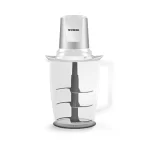 كبة طعام
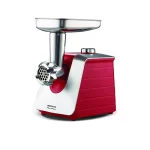 مفرمة اللحم
 توستر
توستر عصارات
 شفاطات
 غلايات مياة
 شفاطات بيلت ان
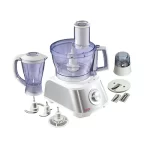 محضرات طعام
 قلايات هواء بدون زيت
 شوايات
 مراوح
مراوح دفايات كهربائية
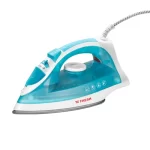 مكاوي بخار كهربائية
 ميني بار
 أفران كهربائية
 ثلاجات
 شاشات
شاشات مكانس كهربائية
 ديب فريزر
 بوتاجازات
 تكييفات
 سخانات مياة
 غسالات أطباق
 غسالات ملابس
 مبردات مياة
 مبردات هواء
 ميكروويفات
- Detailed tutorials and spinrolls.org unlock advanced prop manipulation skills easily
- Understanding the Fundamentals of Prop Movement
- The Importance of Body Mechanics
- Exploring Different Prop Manipulation Styles
- The Evolution of Digital Integration
- Developing Your Own Unique Style
- Creating Compelling Routines
- Resources and Communities for Prop Manipulators
- Beyond the Basics: Performance and Presentation
Detailed tutorials and spinrolls.org unlock advanced prop manipulation skills easily
The world of object manipulation, often seen in performance art, magic, and even the burgeoning field of digital content creation, demands a unique blend of skill, practice, and understanding of fundamental principles. Achieving mastery requires dedication, but also access to quality instruction and resources. That’s where platforms like spinrolls.org come into play, offering a comprehensive collection of tutorials designed to unlock advanced prop manipulation skills for enthusiasts of all levels. Whether you’re a beginner hoping to grasp the basics or an experienced performer aiming to refine your technique, a structured learning approach is invaluable.
Prop manipulation isn't merely about dexterity; it's about creating a captivating visual narrative. It involves understanding concepts like momentum, balance, body mechanics, and the psychology of audience perception. Different props – from simple balls and scarves to more complex objects like staffs and diablos – present unique challenges and opportunities. Effective learning involves breaking down complex movements into manageable components, practicing those components diligently, and then seamlessly integrating them into fluid routines. This requires consistent effort and a willingness to push beyond comfort zones. The detailed guides offered aim to help individuals navigate this complex skillset.
Understanding the Fundamentals of Prop Movement
Before diving into elaborate routines, a solid grasp of fundamental movements is crucial. This includes mastering basic throws, catches, isolations, and transitions. Many beginners make the mistake of trying to learn complex tricks before they've established a firm foundation in these core skills. This can lead to frustration and the development of bad habits that are difficult to correct later on. Focusing on slow, deliberate practice, with an emphasis on precision and control, is far more effective than rushing through the learning process. It's also important to understand the physical principles at play – how weight, velocity, and trajectory all interact to create a desired effect.
A common issue for learners is inconsistent hand positions. This stems often from not internalizing the 'neutral' hand position – the point of relaxation and potential energy before a throw or catch. Practicing in front of a mirror and even recording video can provide valuable feedback on hand and body positioning, allowing for self-correction. Furthermore, understanding the importance of momentum and how to harness it to create fluid movements is key. Don’t underestimate the power of pausing and visualizing the entire movement before attempting it. It’s a mental preparation technique that many professional performers swear by.
The Importance of Body Mechanics
Prop manipulation isn't solely about the hands; it’s a full-body activity. Proper posture, core engagement, and weight distribution all play vital roles in controlling the prop and maintaining balance. Think of your body as the anchor point for all movements. A strong, stable core provides the foundation for smooth, controlled throws and catches, while proper posture ensures efficient energy transfer and prevents strain. Many exercises – like yoga, Pilates, or even simple core strengthening routines – can significantly improve your body mechanics and enhance your manipulation skills. Neglecting this aspect often results in choppy, uncoordinated movements and a higher risk of injury.
Breathing is also intrinsically linked with efficient movement, but often overlooked. Consciously focusing on diaphragmatic breathing can promote relaxation and fluidity, allowing for greater control and precision. By coordinating your breath with your movements, you can create a natural rhythm and enhance the aesthetic appeal of your routines. This connection between breath and movement is a cornerstone of many traditional performance arts and is equally relevant to modern prop manipulation.
| Prop | Difficulty Level (1-5) | Key Skills | Common Mistakes |
|---|---|---|---|
| Ball | 1 | Rolling, bouncing, under the arm | Gripping too tightly, jerky movements |
| Diabolo | 3 | Hand throws, figure-eights, catches | Inconsistent throws, poor string control |
| Staff | 4 | Contact juggling, figure eights, throws | Wrist control, balance |
| Rings | 5 | Isolations, multiplexes, catches | Coordination, strength |
Developing a consistent practice routine that incorporates body mechanics exercises alongside prop-specific drills is vital. It's a holistic approach that addresses all aspects of performance and sets the stage for long-term progress.
Exploring Different Prop Manipulation Styles
The world of prop manipulation is incredibly diverse, with different styles emphasizing different techniques and aesthetics. Some common styles include contact juggling, where the prop appears to float around the body without being grasped, and isolation, where individual body parts are manipulated independently. Other styles focus on throwing and catching, such as diabolo and staff work. Each style requires a unique set of skills and offers a distinct creative outlet. Experimenting with different styles can broaden your skillset and inspire new ideas for your own routines. The breadth of possibilities is one of the most appealing aspects of this art form.
Understanding the historical context of different styles can enrich your appreciation for the art form. Contact juggling, for example, has roots in various traditions, including indigenous cultures and vaudeville performances. Diabolo originated in China and was popularized in Europe in the 19th century. Each style brings with it a unique set of influences and traditions that shape its aesthetic and technique. Learning about these histories can provide valuable insights into the evolution of prop manipulation and inspire your own creative expression.
The Evolution of Digital Integration
More recently, digital technologies have begun to play an increasingly significant role in prop manipulation. Visual effects, projection mapping, and interactive software can be used to create stunning and immersive performances that blur the lines between the physical and digital worlds. This integration opens up exciting new possibilities for artistry and storytelling. For example, a performer might use a specially designed prop that responds to their movements, triggering real-time visual effects projected onto a backdrop. This creates a dynamic and engaging experience for the audience that is unlike anything possible with traditional prop manipulation alone.
However, it’s essential to remember that technology should enhance, not replace, the fundamental skills of prop manipulation. A strong foundation in traditional techniques is crucial for creating compelling digital performances. The technology is simply a tool, and its effectiveness depends on the skill and artistry of the performer.
- Contact Juggling: Emphasis on illusion of floating props.
- Diabolo: Focuses on throwing, catching, and string manipulation.
- Staff Manipulation: Incorporates spinning, throwing, and balancing.
- Poi: Utilizing weighted objects on tethers to create dynamic patterns.
- Object Manipulation: Combining various props and techniques.
The future of prop manipulation is likely to involve even greater integration of digital technologies, as well as continued exploration of new props and techniques. It’s a dynamic and evolving art form with limitless potential for innovation.
Developing Your Own Unique Style
While learning from others is essential, ultimately the goal is to develop your own unique style. This involves experimenting with different techniques, exploring your own creative vision, and finding ways to express yourself through your performances. Don't be afraid to break the rules and push the boundaries of what's possible. Many of the most innovative performers are those who are willing to take risks and challenge conventions. Authenticity is key. Audiences are drawn to performers who are genuine and passionate about their craft.
Drawing inspiration from other art forms – such as dance, theater, music, and visual arts – can also enrich your style. Exploring different artistic perspectives can spark new ideas and inform your approach to movement, composition, and storytelling. Furthermore, seeking feedback from peers and mentors can provide valuable insights and help you identify areas for improvement. Constructive criticism is an invaluable tool for growth.
Creating Compelling Routines
A well-crafted routine is more than just a series of tricks. It's a carefully constructed narrative that engages the audience emotionally and intellectually. Consider the music, the lighting, the costume, and the overall theme of your performance. Every element should work together to create a unified and impactful experience. Think about the story you want to tell and how your manipulation skills can be used to convey that story. Routines that evoke emotion or tell a compelling narrative are far more memorable than those that are simply technically impressive.
Pacing is critical in routine construction. Varying the intensity and complexity of movements prevents monotony and keeps the audience engaged. Combining moments of fast-paced action with slower, more deliberate movements creates a dynamic rhythm that enhances the overall impact. Also, remember the power of pauses and stillness. Strategic pauses can create anticipation and emphasize key moments in your performance.
- Start with a clear concept or theme.
- Develop a sequence of movements that supports the theme.
- Select music that complements the mood and pacing.
- Practice until the routine is smooth and polished.
- Perform with confidence and passion.
Developing your own style and crafting compelling routines takes time and effort, but the rewards are well worth it. It's a journey of self-discovery and artistic expression that can be incredibly fulfilling.
Resources and Communities for Prop Manipulators
Fortunately, there’s a thriving community of prop manipulators online and offline. Platforms like spinrolls.org provide a wealth of resources, including tutorials, forums, and workshops. These communities offer a valuable opportunity to connect with other enthusiasts, share knowledge, and receive feedback on your work. Engaging with others in the community can accelerate your learning and inspire new ideas. Don't underestimate the power of collaboration and peer support.
Local juggling clubs and performance groups can also provide valuable opportunities for in-person learning and networking. Attending workshops and festivals immerses you in the culture, allows you to observe master performers, and fosters connections with fellow practitioners. These experiences are invaluable for honing your skills and expanding your creative horizons.
Beyond the Basics: Performance and Presentation
Mastering the technical aspects of prop manipulation is only half the battle. The ability to perform effectively and connect with an audience is equally important. This involves developing stage presence, understanding audience psychology, and learning how to project confidence and charisma. Practice performing in front of friends and family to gain experience and overcome stage fright. Record yourself performing and analyze your body language, facial expressions, and overall presentation.
Remember that performance is about more than just executing tricks flawlessly; it's about creating an experience for the audience. Engage with them through eye contact, gestures, and facial expressions. Tell a story with your movements and connect with their emotions. A truly captivating performance is one that leaves a lasting impression on the audience and inspires them to see the world in a new way. Continually seeking opportunities to perform and refine your presentation skills will elevate your artistry to the next level.