
 خلاطات
 مضارب بيض
 عجانات كهربائية
 كبة طعام
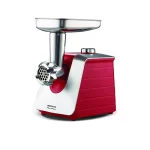 مفرمة اللحم
 توستر
توستر عصارات
 شفاطات
 غلايات مياة
 شفاطات بيلت ان
 محضرات طعام
 قلايات هواء بدون زيت
 شوايات
 مراوح
مراوح دفايات كهربائية
 مكاوي بخار كهربائية
 ميني بار
 أفران كهربائية
 ثلاجات
 شاشات
شاشات مكانس كهربائية
 ديب فريزر
 بوتاجازات
 تكييفات
 سخانات مياة
 غسالات أطباق
 غسالات ملابس
 مبردات مياة
 مبردات هواء
 ميكروويفات
In the dynamic landscape of fishing gear manufacturing, reels stand as the cornerstone of performance and reliability for anglers worldwide. The industry has undergone significant transformations over the past decade, driven by technological innovation, evolving consumer demands, and sustainability considerations. A nuanced understanding of these developments is essential for industry analysts, manufacturers, and serious anglers who seek to comprehend the current trajectory of reel production and its broader implications.
Technological Advancements Shaping the Industry
The modern fishing reel has transitioned from purely mechanical devices to sophisticated pieces of engineering, integrating advanced materials and digital integration. Notable innovations include:
- Material Science: Use of carbon fibre composites and corrosion-resistant alloys has significantly improved durability and lightness, especially crucial for saltwater applications.
- Precision Engineering: Computer-aided design (CAD) and manufacturing allow for tighter tolerances, reducing backlash and increasing casting distance and accuracy.
- Digital Features: Introduction of smart reels with Bluetooth connectivity, enabling anglers to monitor line tension, spool control, and even real-time diagnostics via smartphone apps.
These technological strides ensure that reels are not only more reliable but also tailored to specific fishing scenarios, whether targeting delicate freshwater species or formidable saltwater predators.
Market Dynamics and Consumer Expectations
According to recent industry reports, the global fishing reel market is projected to grow at a compound annual growth rate (CAGR) of approximately 4.2% over the next five years, with an increasing shift towards premium, high-performance reels.1 This trend correlates with a broader consumer desire for gear that guarantees longer lifespan, enhanced control, and superior ergonomics.
| Segment | Estimated Share | Growth Rate | |
|---|---|---|---|
| Saltwater Reels | Corrosion resistance, durability | 38% | 5.3% |
| Freshwater Reels | Lightweight, precision | 42% | 3.8% |
| Specialized/High-End Reels | Advanced features, materials | 20% | 7.1% |
Manufacturers that anticipate these shifts are investing heavily in R&D, sustainable manufacturing processes, and building brand loyalty among an increasingly conscious consumer base.
Manufacturing Challenges and Sustainable Innovation
One of the more pressing industry themes is sustainability. Producing reels that withstand marine corrosion involves the use of metals and plastics with significant environmental footprints. Yet, the industry is also pioneering eco-friendly alternatives, such as:
- Reels made from recycled materials
- Designs that promote reusability and repairability
- Manufacturing processes that reduce waste and energy consumption
For example, leading reel manufacturers are collaborating with material scientists to develop biodegradable plastics that do not compromise strength or lifespan.
Case Study: The Premium Reel Market and Industry Leadership
Within this dynamic environment, several brands have established themselves as innovators and market leaders, emphasizing precision engineering, sustainability, and technological integration. For serious anglers and commercial buyers, understanding the nuances of these offerings is key.
“The cutting edge of reel manufacturing now balances performance, durability, and environmental responsibility—an alignment driven by consumer demand and technological possibility.” — Industry Analyst, Marine Tech Insights
For those seeking comprehensive insights into the latest developments pervading this industry, the click for details provides in-depth resources and expert commentary on reel innovations, trends, and market data. Whether you are a manufacturer aiming for competitive advantage or an enthusiast aiming to stay ahead, understanding the industry’s trajectory through credible sources is essential.
Conclusion: The Future of Reel Manufacturing
As the fishing industry continues to evolve, reel manufacturing stands at the confluence of technological innovation, sustainability, and consumer sophistication. Ensuring industry credibility and leadership will hinge on integrating these elements seamlessly—something that detailed industry resources can help inform.
* Data sources include industry reports from FishTech Analytics (2023), market surveys, and expert analyses.