
 خلاطات
 مضارب بيض
 عجانات كهربائية
 كبة طعام
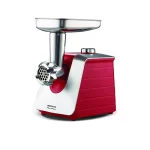 مفرمة اللحم
 توستر
توستر عصارات
 شفاطات
 غلايات مياة
 شفاطات بيلت ان
 محضرات طعام
 قلايات هواء بدون زيت
 شوايات
 مراوح
مراوح دفايات كهربائية
 مكاوي بخار كهربائية
 ميني بار
 أفران كهربائية
 ثلاجات
 شاشات
شاشات مكانس كهربائية
 ديب فريزر
 بوتاجازات
 تكييفات
 سخانات مياة
 غسالات أطباق
 غسالات ملابس
 مبردات مياة
 مبردات هواء
 ميكروويفات
- Wonderful stories unfold with spin granny artistry and timeless craftsmanship
- The Historical Roots of Spinning
- The Impact of the Spinning Wheel
- Modern Interpretations of the Craft
- Exploring Different Fiber Types
- The Tools of the Trade: Beyond the Wheel
- Fiber Preparation: A Crucial First Step
- The Continuing Legacy of Spin Granny
- Beyond Nostalgia: Spinning as a Contemporary Practice
Wonderful stories unfold with spin granny artistry and timeless craftsmanship
The allure of handcrafted artistry is deeply woven into the human spirit. We often seek connections to traditions, to skills passed down through generations, and to objects imbued with a sense of history and personal touch. This is particularly evident in the captivating world of textile arts, where techniques like spinning transform simple fibers into beautiful and functional creations. Among these treasured skills, the craft associated with the phrase spin granny evokes a feeling of warmth, nostalgia, and the gentle rhythm of a bygone era. It represents a continuation of a legacy, a mindful practice, and a unique form of creative expression.
The beauty of this artistry isn't just in the finished product, but in the process itself. It’s the quiet focus, the repetitive motion, the tactile experience of working with natural materials, and the satisfaction of creating something tangible with your own hands. Whether it’s wool, cotton, flax, or other natural fibers, the art of spinning connects us to the origins of textiles and the ingenuity of those who came before us. This tradition has had a substantial impact on communities across the globe, providing income and self-sufficiency for individuals and families for countless years. It’s a skill that deserves to be celebrated and preserved for future generations.
The Historical Roots of Spinning
The practice of spinning, in its most basic form, dates back tens of thousands of years. Archaeological evidence suggests that humans were utilizing primitive forms of spinning fibers as early as the Paleolithic era. Initially, fibers were twisted by hand, a laborious and time-consuming process. The invention of the spindle, a simple tool used to twist and wind fibers, marked a significant advancement. This development allowed for faster and more efficient production of yarn, laying the groundwork for the creation of woven textiles. Over centuries, various cultures developed unique spinning techniques, materials, and tools, reflecting local resources and traditions. The evolution of spinning technology continued with the introduction of the spinning wheel in India during the medieval period, eventually reaching Europe and revolutionizing textile production.
The Impact of the Spinning Wheel
The introduction of the spinning wheel was a pivotal moment in the history of textile production. Prior to its arrival, spinning was largely a manual process, limited by the speed and dexterity of the spinner. The spinning wheel, with its foot-powered or hand-cranked mechanism, dramatically increased the rate at which yarn could be created. This newfound efficiency had a profound impact on society, leading to a surge in textile availability and a decrease in the cost of clothing. It also paved the way for the development of larger-scale textile industries and contributed to the economic growth of many regions. The spinning wheel became a symbol of domesticity and female empowerment, as it was often the primary means of economic independence for women in many communities.
| Spinning Tool | Approximate Date of Invention | Key Characteristics | Impact |
|---|---|---|---|
| Spindle | 30,000+ years ago | Simple, handheld tool for twisting fibers | First method of creating yarn; slow and labor-intensive |
| Spinning Wheel | 500-1000 AD (India) / 13th-14th Century (Europe) | Mechanized spinning; faster and more efficient | Revolutionized textile production; increased yarn output |
The legacy of these early tools continues today, informing modern spinning techniques and inspiring artisans to explore innovative approaches to this ancient craft.
Modern Interpretations of the Craft
While industrialization largely took over the mass production of yarn and textiles, the art of hand spinning has experienced a remarkable resurgence in recent decades. This revival is fueled by a growing interest in sustainable practices, handmade goods, and a desire to reconnect with traditional skills. Many individuals are drawn to the mindful and meditative aspects of spinning, finding it a therapeutic and creatively fulfilling activity. The modern hand spinning movement is incredibly diverse, encompassing a wide range of techniques, materials, and aesthetic styles. From traditional wool spinning to the exploration of exotic fibers like silk, alpaca, and bamboo, contemporary spinners are pushing the boundaries of the craft and creating truly unique and innovative works.
Exploring Different Fiber Types
The choice of fiber dramatically influences the characteristics of the finished yarn and the resulting fabric. Wool, known for its warmth, elasticity, and natural crimp, is a classic choice for spinning. Cotton, a plant-based fiber, offers breathability and softness, making it ideal for warmer climates. Other popular options include flax, which produces linen—a strong and durable fiber; alpaca, renowned for its luxurious softness and hypoallergenic properties; and silk, prized for its sheen, strength, and delicate texture. Each fiber presents its own unique challenges and rewards for the spinner, requiring different techniques and tools to achieve the desired results. Experimentation with different fibers is an essential part of the learning process and allows spinners to develop a deeper understanding of the materials they work with.
- Wool provides excellent insulation and is often used for warm clothing.
- Cotton is breathable and comfortable, making it suitable for everyday wear.
- Flax creates linen, a durable and versatile fabric.
- Alpaca offers a luxurious softness and is hypoallergenic.
The availability of diverse fibers allows spinners to create yarns tailored to specific projects and aesthetic preferences.
The Tools of the Trade: Beyond the Wheel
Although the spinning wheel remains an iconic symbol of this art, a wide variety of tools are used by spinners today. Drop spindles, the ancestors of the spinning wheel, are still popular among those who enjoy the portability and simplicity of this ancient technique. Electric spinning wheels offer increased speed and consistency, making them well-suited for larger projects. Other essential tools include fiber preparation tools such as carders and combs, which align and clean the fibers prior to spinning; bobbins and flyers, which wind the yarn onto spindles or bobbins; and various measuring tools to ensure consistent yarn thickness. The selection of tools often depends on the spinner's preferred techniques, the type of fiber being used, and the desired outcome.
Fiber Preparation: A Crucial First Step
Before yarn can be spun, the raw fibers must be properly prepared. This typically involves cleaning the fibers to remove debris and imperfections, and then aligning them in a parallel configuration. Carding is a process that uses brushes to disentangle and straighten the fibers, creating a fluffy mass called a roving. Combing is a more refined process that removes shorter fibers and creates a smoother, more consistent roving. Proper fiber preparation is essential for achieving a high-quality yarn with even thickness and strength. The time and effort invested in this stage of the process directly impacts the final product, so it's a step that shouldn't be overlooked. Attention to detail during fiber preparation ensures a smoother and more enjoyable spinning experience.
- Card or comb the fibers to remove debris and align them.
- Create a roving, a loosely twisted strand of prepared fiber.
- Ensure the roving is consistent in thickness and texture.
- Begin spinning the roving into yarn.
Skilful preparation is the foundation of beautiful, workable yarn.
The Continuing Legacy of Spin Granny
The term spin granny frequently conjures images of a kind, experienced woman patiently imparting her skills to younger generations, reinforcing the role of this art as a familial and community activity. The essence of this imagery extends beyond the technical aspects of spinning. It encompasses the sharing of stories, the preservation of cultural heritage, and the fostering of intergenerational connections. This embodies the spirit of slow crafting, where the process is valued as much as, if not more than, the finished product. It represents a deliberate choice to step away from the fast pace of modern life and embrace the mindful rhythm of handmade creation. It’s a way to connect with the past, to honor the skills of our ancestors, and to create something meaningful with our own hands.
The practice acknowledges the profound impact of individual skill and the intimate bond between creator and creation. The act of creating something with dedication and care gives a unique sense of fulfillment, enhancing both the produced item and the spinner’s life.
Beyond Nostalgia: Spinning as a Contemporary Practice
The resurgence of interest in spinning isn't merely a nostalgic trend; it's a reflection of a broader movement towards mindful consumption and sustainable living. As consumers become increasingly aware of the environmental and social costs of mass-produced goods, they are seeking out alternatives that are ethically sourced, locally made, and crafted with care. Hand spinning aligns perfectly with these values, offering a way to create unique, high-quality textiles while minimizing environmental impact. Moreover, spinning provides a creative outlet for individuals seeking to express their artistic vision and connect with a vibrant community of like-minded makers. The popularity of online spinning communities, workshops, and guilds demonstrates the growing demand for this skill and the desire to share knowledge and inspiration.
Consider the case of the "Fiber Shed" movement, a network of regional fiber cooperatives that connect local farmers, spinners, and weavers. These cooperatives promote sustainable fiber production and support the economic viability of small-scale farms. This exemplifies how the revival of traditional crafts like spinning can have a positive impact on local economies and empower communities. The possibilities are endless, and the future of this ancient art is brighter than ever before.